
Sign up to keep learn how you can help keep Pennsylvania free and just.
General Election
Oct 27
Application due by 5 PM
Nov 3
Received by 8 PM - postmarks don't count
Nov 3
In line by 8 PM? You can vote.
The whole story on this page turns on who gets to vote. Make sure you're on the rolls - it takes a few minutes.
Register in PAKnow where to go before Election Day. Look up your polling location and confirm it hasn't moved.
Find your placePennsylvanians still doing the work. Give time, money, or attention.
Explore three centuries of the commonwealth standing up.
Four Quakers write the first formal protest against slavery in the American colonies. Their argument boils down to one sentence: this place was founded on freedom of conscience, so it owes freedom of the body.
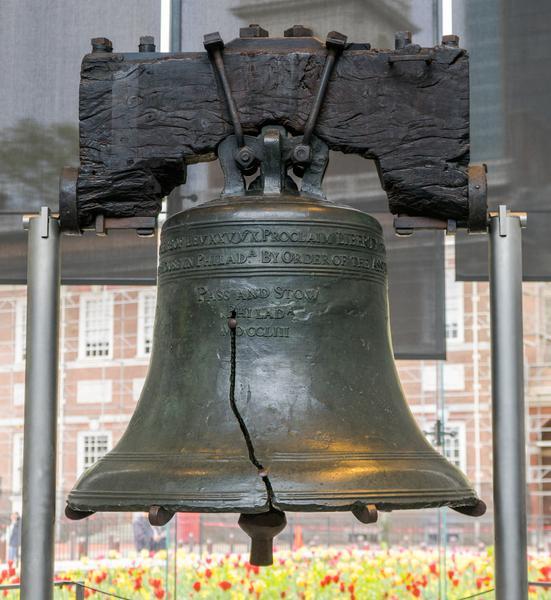
Ordered for the fiftieth anniversary of Pennsylvania's charter and inscribed with a line borrowed from Leviticus: Proclaim liberty throughout all the land unto all the inhabitants thereof.
Delegates from twelve colonies meet in a borrowed guild hall in Philadelphia to decide what to do about tyranny and find they can act as one.
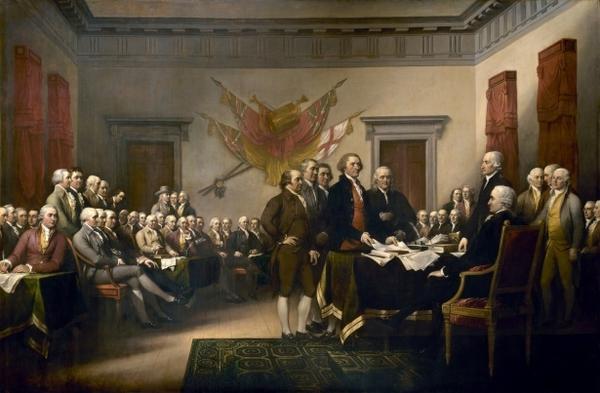
Thirteen colonies declare independence from an empire that wants authority without representation.
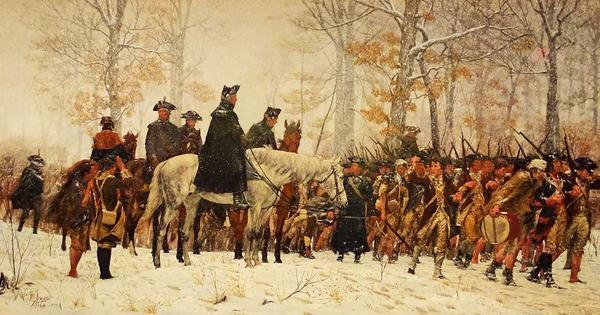
The army that shouldn't survive, does. They go into the wilderness a mob and come out an army.
Pennsylvania passes the first abolition law in the new nation, ninety-two years after Germantown.
Franklin, at eighty-one, signs a second document. The first, in 1776, declared what they were owed. This one sets the foundation of the country to come: “We the People of the United States, in order to form a more perfect Union…”
Bad things happen to kings in Philadelphia.
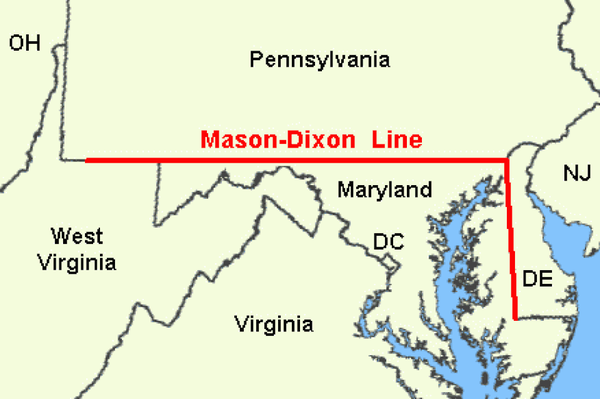
Pennsylvania's southern edge. Two Englishmen surveyed it in the 1760s to settle a property argument, then it became the line between free and not.
Ushers pull Absalom Jones off his knees mid-prayer to move him to the segregated gallery. The entire Black congregation walks out.
Richard Allen buys a blacksmith shop, hauls it to Sixth and Lombard, and opens the first church in America owned outright by Black people, on ground they still hold today. Twelve years after the state legislated freedom.
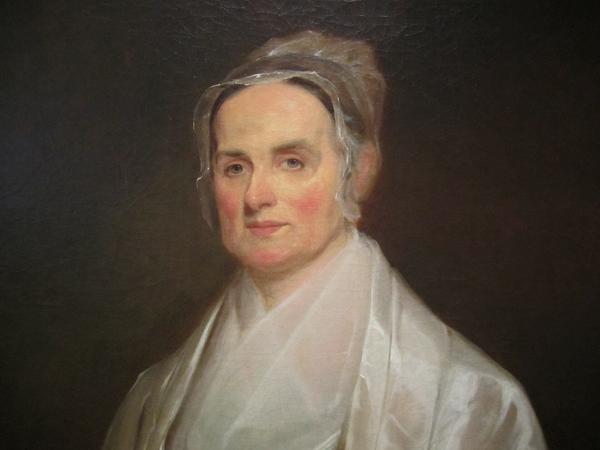
Lucretia Mott co-founds it, interracial from the first meeting, with Margaretta Forten and Grace Douglass among the founders.
Abolitionists start calling the bell cast in 1751 the Liberty Bell. By quoting its own inscription back at the country, the bell becomes a symbol of freedom: Proclaim liberty throughout all the land unto all the inhabitants thereof.
Lucretia Mott crosses an ocean for the World Anti-Slavery Convention and is refused a seat because she is a woman. She spends the week walking the city with a twenty-four-year-old named Elizabeth Cady Stanton and lights the fuse that becomes Seneca Falls.
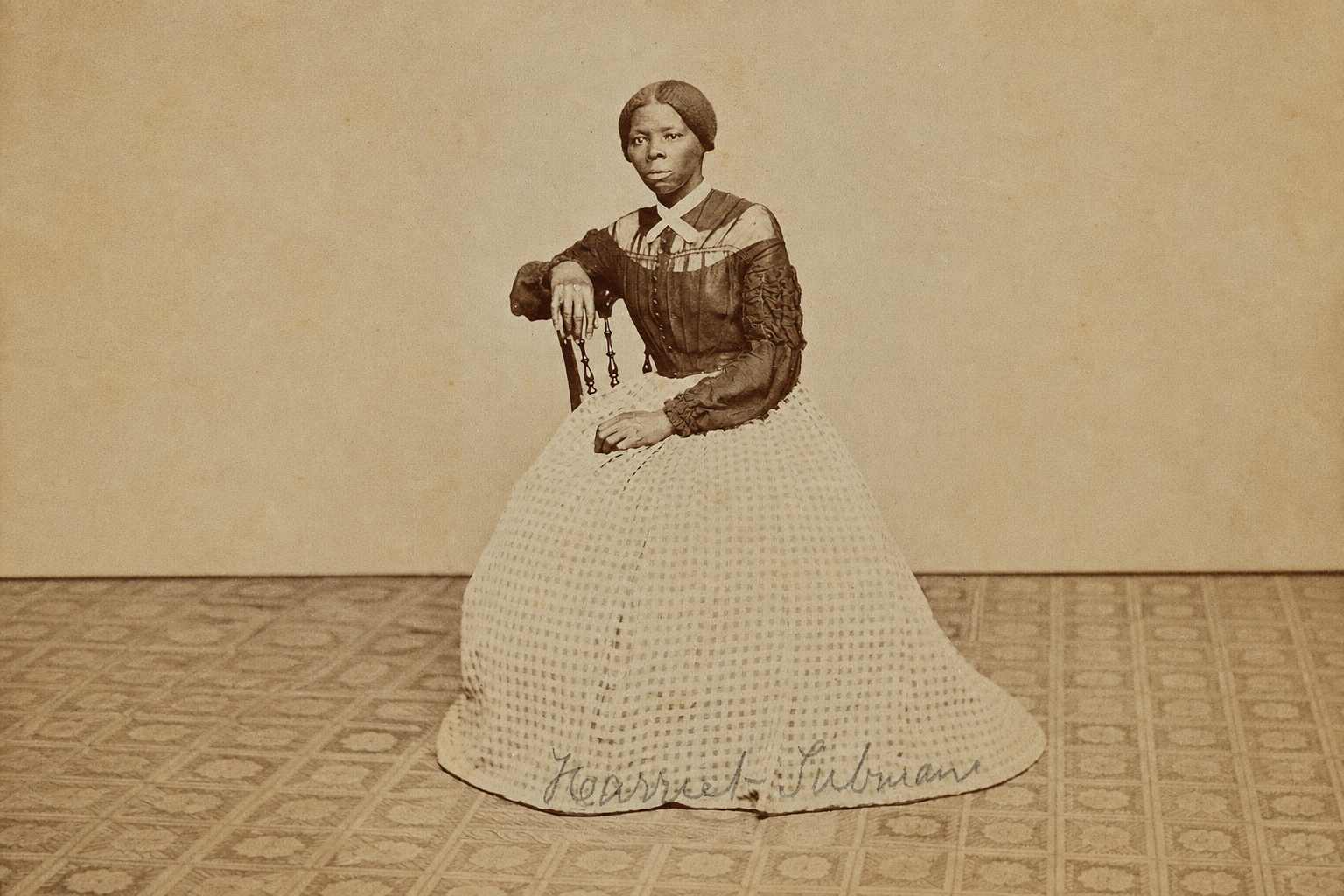
She is free for the first time in her life. She goes back thirteen times to bring out about seventy more.
Edward Gorsuch rides north with a federal warrant to capture four former slaves. The community meets him at the door. Gorsuch dies in a cornfield.
Bad things happen to slavers in Pennsylvania.
Washington answers with the largest treason prosecution in American history to that point - thirty-eight men, most of them Black. The first defendant is acquitted in about fifteen minutes. Every remaining case collapses. One of the defense lawyers is a Lancaster ironmaster named Thaddeus Stevens.
The civil war has been underway two years. As Lee moves north, Confederate troops kidnap free Black Pennsylvanians and send them south into slavery - whole families, off the streets of border towns.
Confederate troops marching north into Pennsylvania detour to burn Thaddeus Stevens' ironworks to the ground.
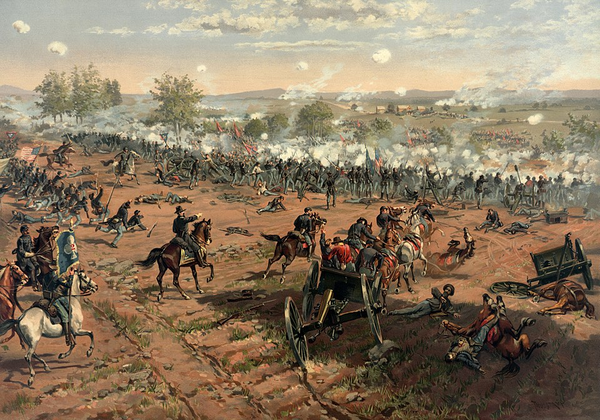
Three days. Roughly fifty thousand casualties. Day two on Little Round Top. Day three across an open mile of Pennsylvania farmland.
The Confederate army would never mount a full-scale invasion of the North again. Historians call it the high-water mark — a polite way of saying: Pennsylvania is where the tide started turning.
Lee brought seventy thousand men into this state for the cause of slavery. He left without a third of them.
Bad things happen to traitors in Pennsylvania.
Uriah Stephens and eight other garment cutters found the Knights of Labor, the first national industrial union in the United States, a secret order that chalks coded symbols on sidewalks to call meetings. They grow to nearly a million members by 1886.
“An injury to one is the concern of all.” - Knights of Labor, Philadelphia, 1869
Octavius Catto - teacher, ballplayer, the man who helped force Pennsylvania's streetcars to desegregate - is shot dead in the street on Election Day, the first election in which Black men in Philadelphia can vote. His killer is acquitted.
Frick lands three hundred Pinkertons on the Monongahela before dawn. A day-long gun battle on the riverbank. The state militia occupies the town. The union is broken - and stays broken in American steel for forty years.
About four hundred unarmed immigrant coal miners - Polish, Slovak, Lithuanian, German - march for higher pay. The man in front carries an American flag. The county sheriff and roughly a hundred and fifty deputies open fire. At least nineteen killed, dozens wounded, most of them shot in the back.
The deputies are tried. The deputies are acquitted.
Mother Jones walks into the textile district, where children work the machines, and collects them. Some are missing fingers. Some are missing a hand.
She marches them out of Philadelphia, a hundred-odd miles to the president's front door at Oyster Bay.
Theodore Roosevelt refuses to see them.
Katharine Ruschenberger, a Chester County suffragist, pays to have a bronze replica of the Liberty Bell cast to campaign for a woman's right to vote. No crack. And two words added above the old inscription: Establish Justice.
They strap it to a flatbed truck and drive it through county after county with the clapper chained. Silent until women win the vote. Crowds come out to see a bell they are not permitted to hear. The 1915 state referendum on woman suffrage fails anyway.
Five years later the Nineteenth Amendment is ratified, guaranteeing women the vote nationwide. They take the chain off the Justice Bell. It rings.
Bad things happen to oppressors in Pennsylvania.
Crystal Bird Fauset is elected to the Pennsylvania House She is the first Black woman elected to any state legislature in the United States.
A kid from West Chester organizes the March on Washington. Bayard Rustin builds it - every bus, every permit, every sandwich, every microphone. Quaker nonviolence, learned from his grandmother, taught by him to a young Martin Luther King Jr. years earlier.
He is kept off the podium because he is gay. He assembles the largest stage in American history and is not allowed to stand on it.
Cecil B. Moore leads roughly seven months of daily picketing outside a whites-only school. King speaks at the wall in August. Court-ordered desegregation follows in 1968.
Barbara Gittings and Frank Kameny picket in the earliest sustained public LGBTQ rights demonstrations in America.
They chose the address on purpose. Same steps. Same date. Same argument. New plaintiffs.
State law barred counties from opening mail ballots before Election Day, so the count ran for days and the lead moved as Philadelphia and Allegheny reported.
Pennsylvania's twenty electoral votes decide the presidency. Margin: roughly eighty thousand.
The president calls out Al Schmidt, Republican city commissioner of Philadelphia, a “so-called Republican” for refusing to stop the count and saying publicly the fraud claims are baseless. Photographs of his house are emailed to his family with threats; one message references heads on spikes.
He certifies anyway.
Judge Matthew Brann, a former county Republican chairman, dismisses the federal suit. Strained legal arguments, speculative accusations unsupported by evidence, and a request to disenfranchise almost seven million voters.
The opinion is written by Judge Stephanos Bibas, a Trump appointee, on a panel appointed entirely by Republican presidents.
“Voters, not lawyers, choose the president.” - U.S. Court of Appeals for the Third Circuit, Nov. 27, 2020
The state supreme court rejects the challenge to Pennsylvania's mail-voting law. The Supreme Court declines to step in. The legislature, pressed to send a different slate of electors, doesn't. On January 6, Pennsylvania's electoral votes are the specific target of the Senate objection. It fails, 92–7.
He said bad things happen in Philadelphia. Then a Republican commissioner, a Republican-appointed district judge, and three Republican-appointed circuit judges all told him the same thing.
Bad things happen to tyrants in Pennsylvania.